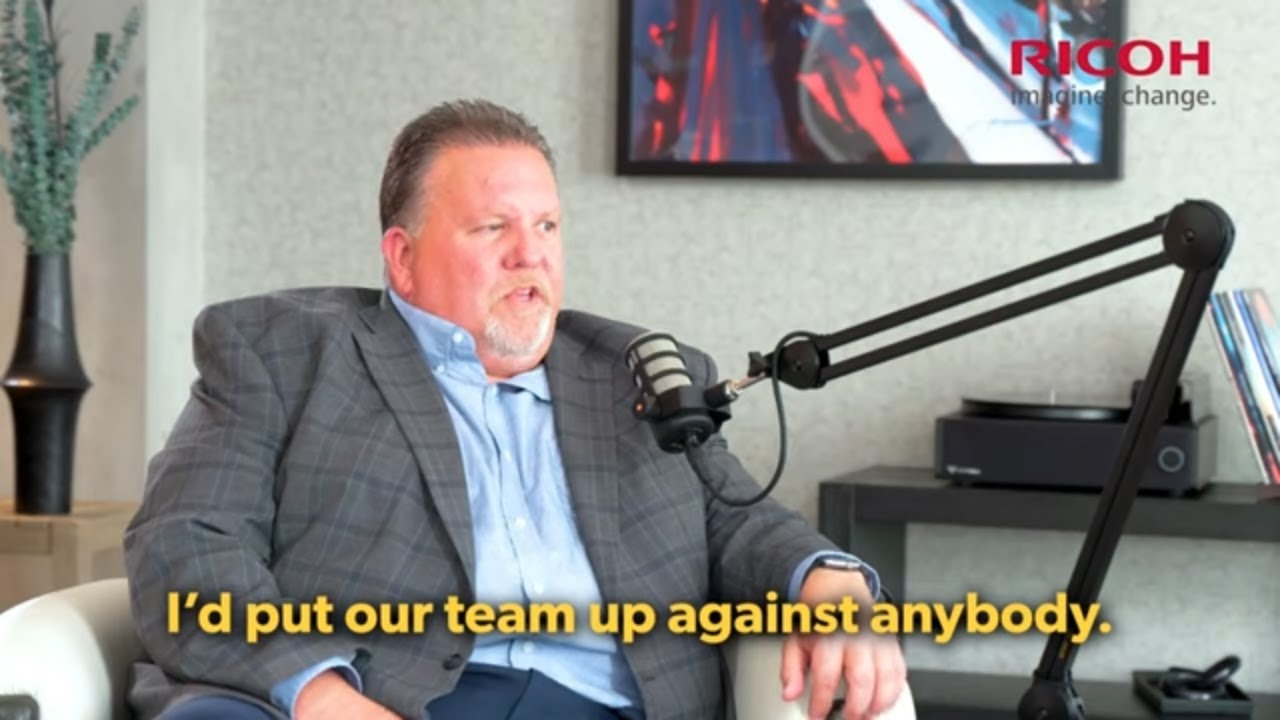
Speaker: Vaughn Minger, National Sales Manager
[Background music begins]
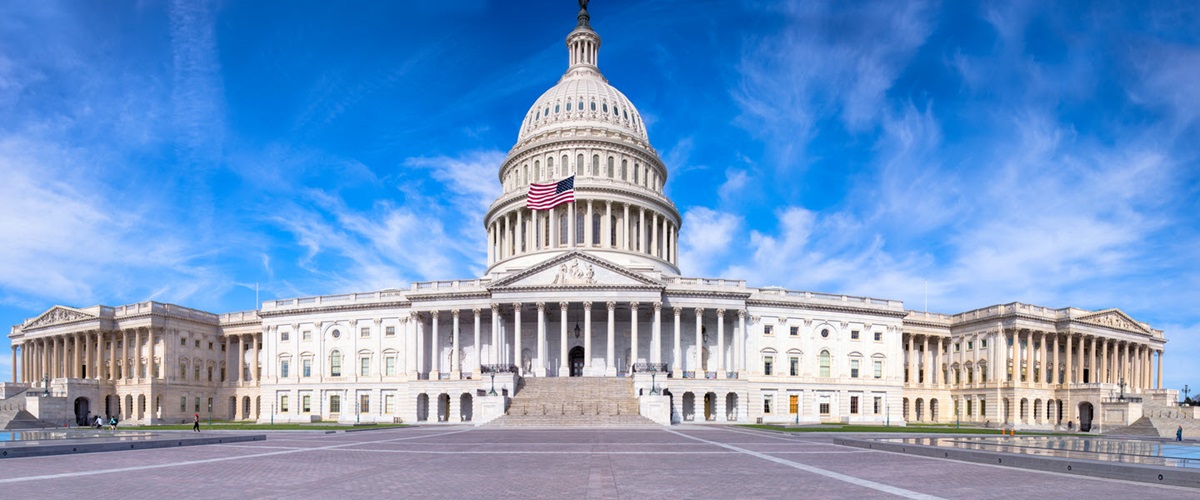
What NARA, the National Archives, has done is create this guideline. As of June 2024, they will no longer accept paper records from agencies across the nation.
They created digital guidelines that help ensure the image quality of records being sent to the National Archives for permanent storage.
It is a guideline, not a formal standard or an ISO standard. It is what NARA will use as its benchmark. They will continue making adjustments, improving it, and making changes over time.
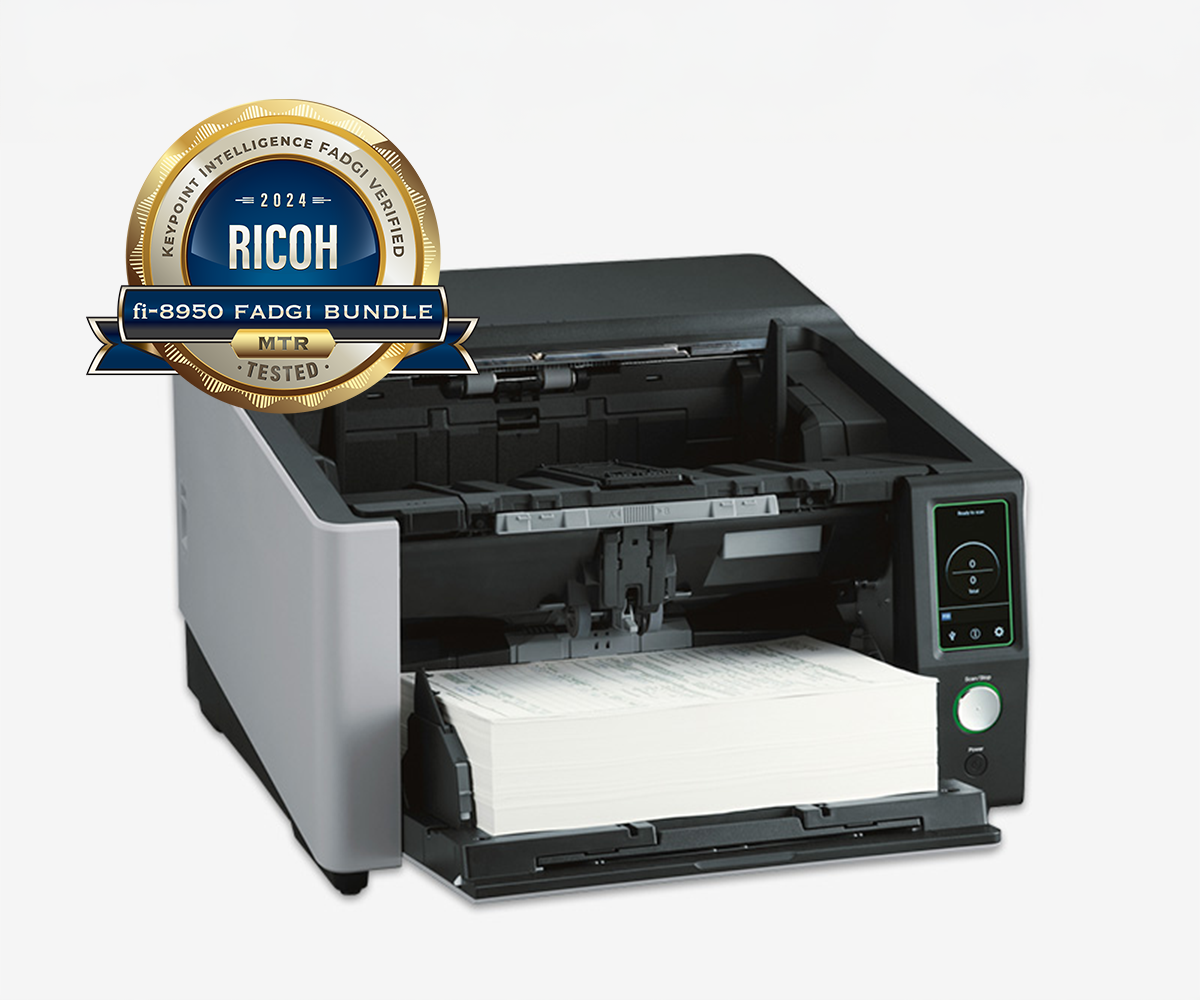
The new federal digitization guidelines required us to follow their testing procedures and use their color charts. We worked to match those requirements with what our engineers had already developed.
Our production scanners, including the fi-7600, fi-7700, fi-7800, and fi-7900 series, are ready today. We envision the entire product line supporting these requirements, with scanners capable of processing from 60 to 140 pages per minute.
Our market share in the federal market has always been strong.
For federal government customers, ease of use is important, but reliability has been especially important because of federal purchasing cycles and budgeting processes. Customers want to know they have a product that works well today and that they can continue to plan around in the future.
Now as Ricoh, and previously as Fujitsu, the brand has been trusted for more than 20 years.
It comes down to durability and image quality.
The fact that we can deploy our entire fi Series product line on-site means an IT department only needs to use a single driver to manage the entire fleet.
If they need support, they can make a phone call and receive a replacement scanner the next day. The experience is designed to be seamless.
The support team we have continues to differentiate us. We hear stories about competing solutions, and I would put our team up against anybody.
[Music fades out]