

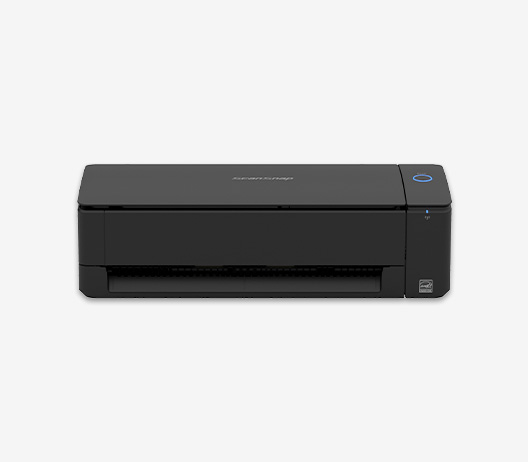
ScanSnap iX1300
Compact Wi-Fi Duplex Scanner
Learn More About ScanSnap iX1300
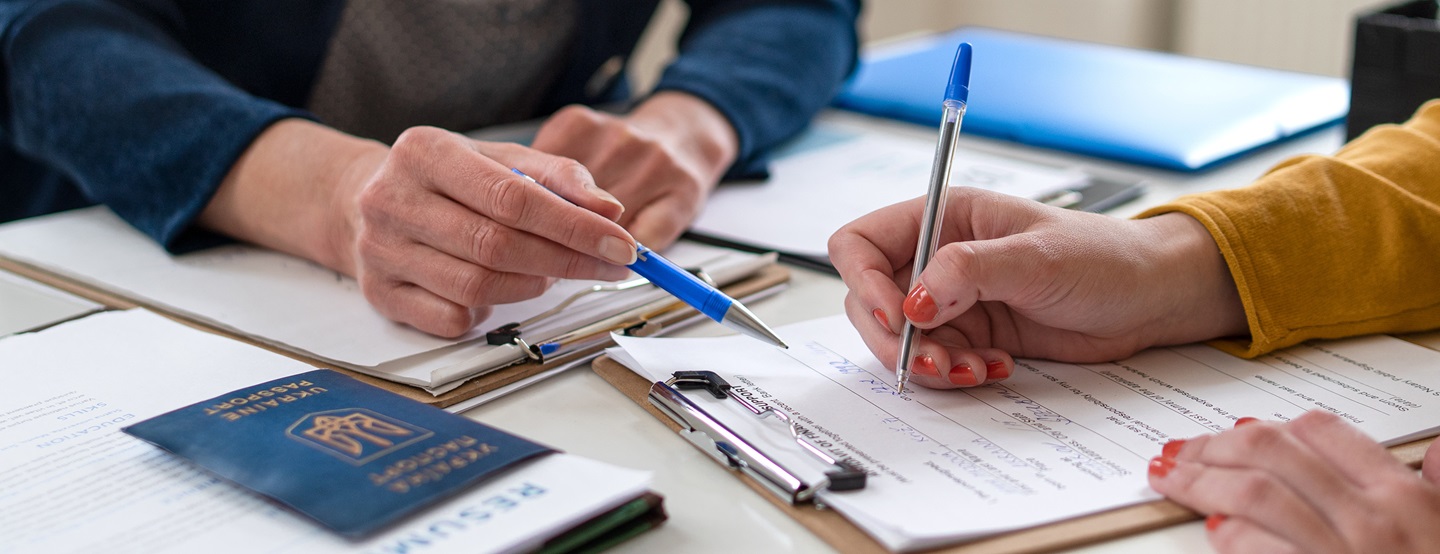
For law firms, record gathering is a struggle that can deplete upwards of 40% of productivity, according to the Association of Legal Administration (ALA). Information overload within the legal sector is a universal pothole that can sink efficiency and decision making. But for New York-based immigration firm Leleu & Gomez Alfaro LLC, helping people in crisis means capturing every detail fast, securely, and accurately as a mission-critical process. Non-standard documents, from thick passports to international IDs, are fundamental records for their work: helping victims of domestic violence, human trafficking, and abuse.
Here’s how RICOH ScanSnap scanners optimized their important processes, streamlining data capture for passports, other thick, plastic, and non-standard personal IDs, and large document files.
For paralegal Seraina Weber, meeting the needs of up to 15 clients a week means scanning hundreds of documents with precision. She collects a wide variety of materials to complete each client’s case file, helping to tell the story of every applicant. Each file is comprehensive, including an array of biographical documents:
“We also scan a lot of police reports, everything they have related to what they've been through, including medical records,” Seraina said. She has spent the past five years coordinating documentation and, more recently, guiding clients through the emotionally sensitive aspects of the legal intake process to represent each client’s situation most accurately.
But with so much paperwork processing for each client, the scanning process was creating extra work. The process might sound familiar. ‘We used to go to the multifunction printer, make a copy of the passport, and then scan it,” says Seraina. That was the routine for non-standard documents and thick IDs. The firm would first print a standard copy, a step that often requires size adjustments (zooming in to get an image of just the ID card), then digitize it. There was no consistent process for capturing these files, which always required extra steps even after scanning.
With so much riding on applications that can take the U.S. government anywhere from three months to 15 years to process, accuracy is essential, says Seraina. Add tight timelines and the sensitive nature of many of these cases, and both security and clarity become critical.
When the team met ScanSnap at a legal conference, they welcomed the opportunity to streamline their demanding intake process, by testing a ScanSnap iX1300, the space-saving, Wi-fi enabled scanner with a desktop feeder.
The firm had already been using the ScanSnap iX1600. But the front feeder feature of the compact iX1300 made scanning thick passports, ID cards, and other thick documents both quick and easy. It became an essential part of their new workflow. “When people come here, they see me scan, and everybody asks, ‘what's that?’ It’s so efficient, and it scans so fast!” asserts Seraina.
Now, files can also be imported directly from ScanSnap Home into client records in Clio, the legal software the firm uses to manage their clients, cases, and files.

Integrating with Clio: Collaborating across North America With the ScanSnap iX1300, Seraina now scans documents directly into ScanSnap Home. The process enables searchable PDFs to quickly cut down on extra digitization steps. In the firm’s former process, they manually selected where to send each scan. Now, files can also be imported directly from ScanSnap Home into client records in Clio, the legal software the firm uses to manage their clients, cases, and files.
With five offices, team-wide use is easier. With each office having a ScanSnap, staff is able to digitize the necessary documents and share them with teammates in other offices.”It's been working really well, and it's really convenient,” she says.
Tandem Workflow: ScanSnap iX1300 and iX1600
Seraina uses the iX1300 ScanSnap daily at her desk for the front feeder and small file stacks. But they also use their ScanSnap iX1600 (which has recently been superseded by the new flagship ScanSnap iX2500) in tandem for larger files. The reliability of both in their workflow keeps their intake process efficient.
With her desk organized and clutter free, Seraina likes that the scanner is compact, but that the technology is great for passports, driver’s licenses, and school IDs. She notes that the precision of the image capture prevents government document rejection or requests for additional info. "It's also super compact, so that's amazing. It doesn't take that much space. Everything's clear, especially on the passports. It's really, really clear, perfect. So that's been great.”