World Radio History
World Radio History
How the fi Series business scanner helped this ambitious archivist preserve over 11 million pages of radio history.
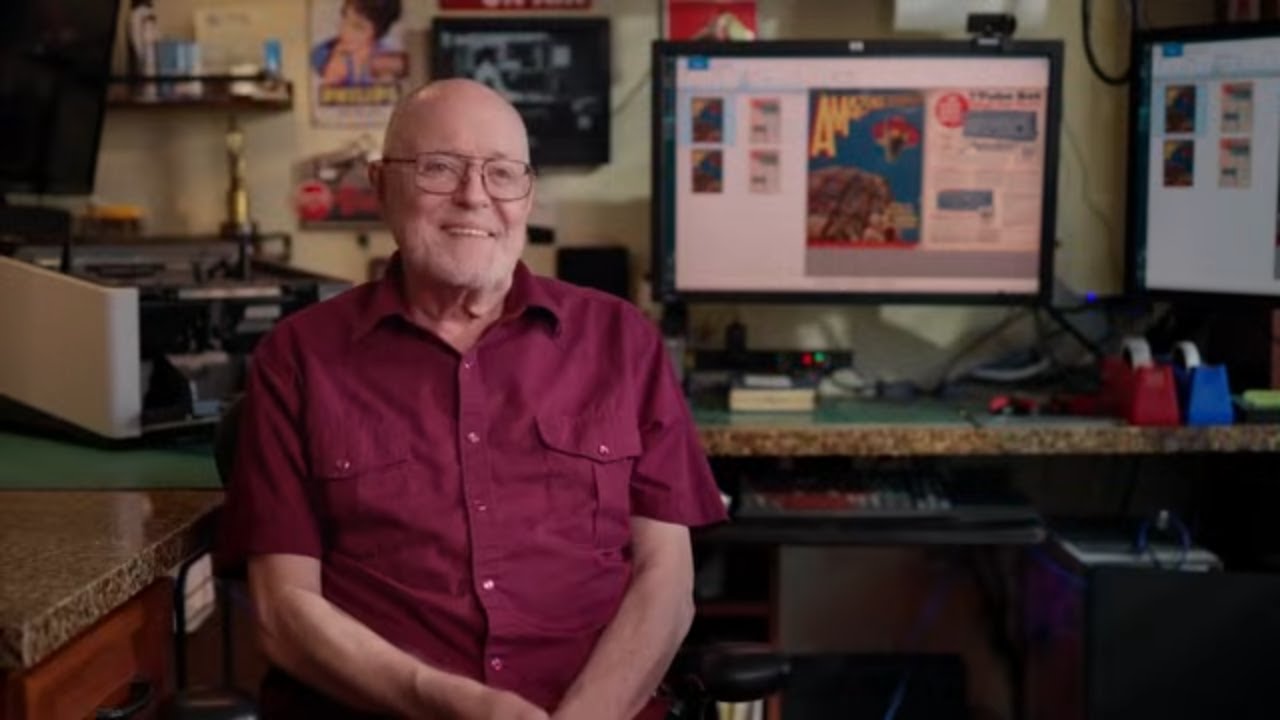
David Gleason spent years building one of the world’s largest online archives of radio and broadcasting history, World Radio History.com. What started as a hobby evolved into a comprehensive, highly curated collection of rare radio materials. The collection ranges from advertisements and programming guides to technical publications and ham radio (change for “music industry”) magazines that span decades and the globe.
David spent years working toward his goal: archiving as much of world radio history as possible. But with rare, fragile, bound, and brittle materials, his ambitious venture is especially challenging, and it required a digitization solution to match.
Amassing an 11 million-Page, Free Collection
Working from his comfortable palm tree–lined Southern California home, the erudite historian’s mission started out as a hobby. It evolved into a nonprofit, free online library dedicated to radio history. “I wanted to tell a story. World Radio History came out of simply the fun of preserving history,” he says.
Beginning when he was 13, David’s broadcast career spanned over six decades. He painstakingly organized a remarkable 11 million pages on the site, earning him the 2023 Library of American Broadcasting Foundation Excellence in Broadcast Preservation Award.
World Radio History tells the stories and data that truly shape radio: “You’ll find a consensus of the wrong data. I realized someone had to preserve the original source documents,” he explains. His site is structured just as meticulously, allowing visitors to easily scroll and browse across collections, formats, and even new arrivals. But transforming this history into a digital collection was not easy.

Digitizing rare, fragile documents required a solution that captured and collected data completely while keeping the documents intact. The paper-based materials can arrive in any stage of condition. From old, delicate, and brittle, to thick, cumbersome pages or tightly bound formats, digitizing these materials required the right solution.
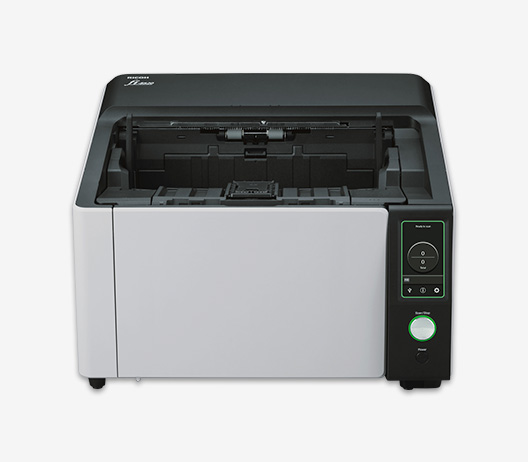
At first, a flatbed document scanner seemed to be the only solution, but it was a tedious one and made the process unsustainable. “With the RICOH fi-8820 document scanner, anything you can imagine and things you never thought possible are controllable in the scanner,” he notes. “The range of document size is immense. Of course, my world changed when I got the RICOH fi-8820 scanner,” David asserts.
The fi-8820 Preserves and Keeps Pace
The founder’s workflow transformed when he implemented the RICOH fi-8820 document scanner, which now helps him keep pace with volumes of materials in his collection.
What used to take many minutes a page can now be completed in seconds. “You can scan anything I get, old or new, shiny paper or flat all in one operation without having to mess around with settings and controls––with the RICOH scanner, I can make more documents available in a more readable and searchable form than before,” he notes.
For David’s needs, harnessing both the speed for large volumes of documents—and precision, meant he could safely digitize much faster without damaging rare and irreplaceable documents.
The scanner’s ability to handle a variety of paper-types was a game changer. Thick pages or irregular formats could now be fed smoothly through the new scanner. “I scan documents that can be over 100 years old…types of printing I just could not scan,” he said. Using protective sleeves, David scans fragile pages safely and can digitally reassemble torn or damaged documents directly in the software.

In addition to fast and precise document feeding, the production scanner gives David many more capabilities. With the fi-8820, he can now:
- Configure personalized settings for brightness, image enhancements, and set clean white borders, pre-scan.
- Save significant time in post-editing.
- Adjust settings for ad-hoc scanning and revert to preconfigured settings.
- Focus on his mission, and less on maintenance with easy cleaning and lowered upkeep.
The large, intuitive touch screen simplifies David’s workflow, making settings easy to adjust. He no longer deals with frustrating maintenance and configuration bottlenecks that once were a part of the process.
David says that his RICOH scanner is more of a partner than a piece of equipment. For him, it is essential in preserving the past for future generations. “The scanner is my friend, not my enemy,” he notes. With the small business production scanner central to his work, David is ensuring that the voices, stories, and impact of radio continue to be heard. It is with an ear-to-ear smile David says, “The work is less tedious, less fatiguing—more fun.”
Value-Priced, High-Performance Production Scanner
The fi-8820’s high-speed, 120-ppm double-sided scanning handles everything from personal archiving to high-volume business documents.
- Clear Image Capture (CIC) technology for complete and correct data
- 500-sheet automatic document feeder (ADF)
- Handles multiple paper sizes and formats
fi-8820